If you’ve ever tried to buy a dairy cow in Kenya, you probably know how frustrating it can be.
You hear from a friend that someone is selling a good Friesian. When you finally find the cow, there’s a broker involved. The price is higher than expected, and sometimes you’re not even sure about the cow’s real milk production.
I’ve seen many farmers go through this. Some end up buying cows that don’t produce as promised. Others struggle to find serious buyers when they want to sell.
That’s why livestock marketplaces like DairyVerse are changing things. They make it easier for farmers to connect directly, share information openly, and make better decisions.
But whether you’re buying or selling, there are a few important things every farmer should know.
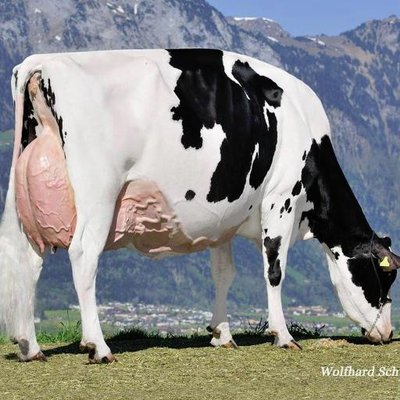
The Friesian is the most popular dairy breed in Kenya and is known for its very high milk production. It is easily recognised by its black and white colour.
Key features:
Friesians are ideal for farmers who want maximum milk production. However, they require good feeding, proper housing, and good management to perform well.
Best for: Commercial dairy farmers and zero-grazing systems.
2. Ayrshire Cow
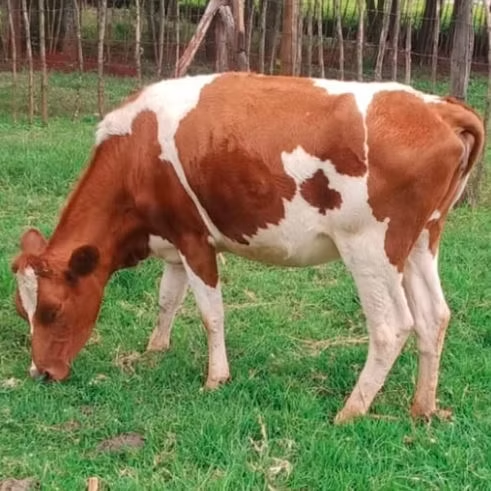
Ayrshire cows are very popular among Kenyan farmers because they are hardy and easier to manage than Friesians.
Key features:
They are efficient grazers and perform well even in areas with moderate feeding.
Best for: Small-scale and medium-scale farmers
3. Jersey Cow
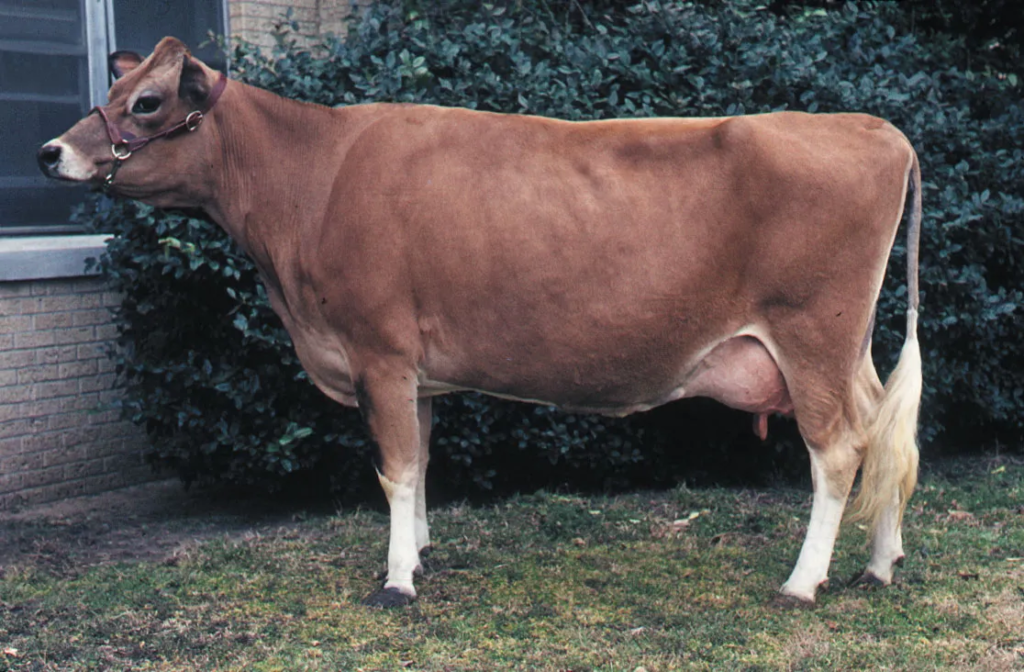
The Jersey cow is one of the best dairy breeds for Kenyan farmers, especially those who want a productive cow that is easier and cheaper to maintain.
Jerseys originated from the Isle of Jersey and are now kept all over the world because of their excellent milk quality.
4.Guernsey Cow
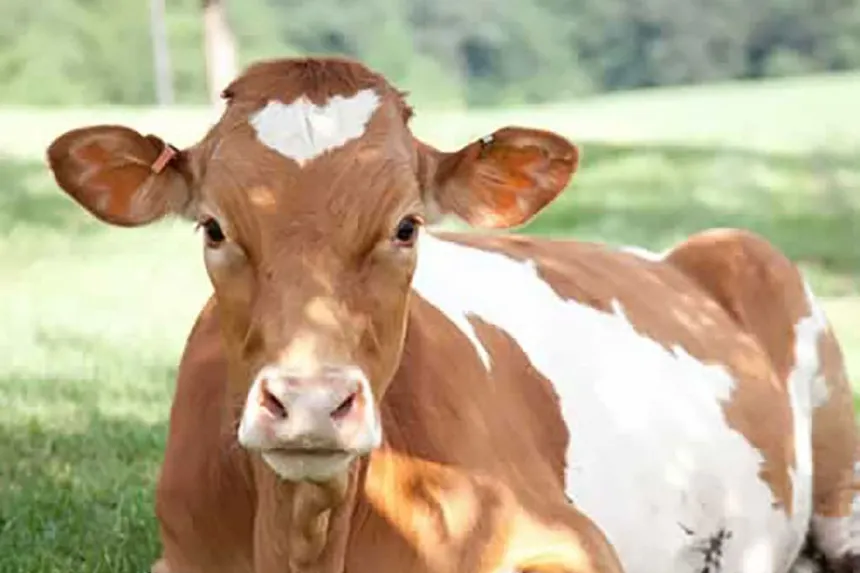
Guernsey cows produce high-quality milk known for its rich cream content.
Key features:
They are calm and easy to manage.
Best for: Farmers focusing on milk quality
Buying a dairy cow is an investment. You don’t want surprises later.
Here are the key things to look at:
Milk production is what gives you income, so don’t guess — confirm.
Ask the seller clearly:
A cow milked twice daily may produce, for example, 12 litres in the morning and 8 litres in the evening.
Important tip:
If possible, visit during milking time and see it yourself. This is the best way to confirm the truth.
Also ask:
Milk production reduces as lactation progresses.
A cow’s productivity depends heavily on her age and number of calvings.
The best cows are usually between: 2nd and 5th calving
Ask:
Avoid:
Older cows produce less milk and may have fertility problems.
A sick cow will cost you money in treatment and produce less milk.
A healthy cow should have:
Bright, clear eyes
Not dull or watery
Smooth, shiny skin and coat
This shows good nutrition
Good body condition
Not too thin and not too fat
Normal walking
No limping or difficulty walking
Also check:
Ask the seller:
If possible, ask for veterinary records.
The udder is one of the most important parts to check.
A good udder should be:
Soft, not hard
Hardness may indicate mastitis (a serious udder infection)
No wounds or injuries
Wounds can cause infection
Well balanced
Not hanging too low
Four normal teats
Check that milk comes out from all teats
You can even try milking a little to confirm milk flow.
Avoid cows with:
These problems reduce milk production.
A good dairy cow should look like a dairy cow — not like a beef cow.
Look for:
These features support high milk production.
Avoid cows with:
A calm cow is easier to manage and milk.
Avoid cows that are:
Such cows can injure you and make milking difficult.
Ask:
This helps you prepare and avoid sudden changes that reduce milk.
Many farmers struggle to sell their cows because they don’t provide enough information. Serious buyers want clear details before they contact you. When your listing is complete and honest, you sell faster and attract better offers.
Here’s what you must include:
Photos are the first thing buyers check. Take clear photos in good lighting and show:
Clean the cow before taking photos if possible. Avoid blurry or dark photos.
Always state the correct milk production.
Include:
Honesty builds trust and attracts serious buyers.
Buyers want cows in their productive stage.
Include:
Cows between 2nd and 5th calving are most preferred.
Always mention your County and nearest town.
Example:
Location helps buyers plan transport.
Always state your price clearly.
Example:
Price: KSh 120,000
Listings with prices attract more serious buyers and sell faster.
In the past, farmers depended heavily on brokers.
Today, online marketplaces allow farmers to:
It also builds trust because information is shared openly.
